
Weathering Urban Life
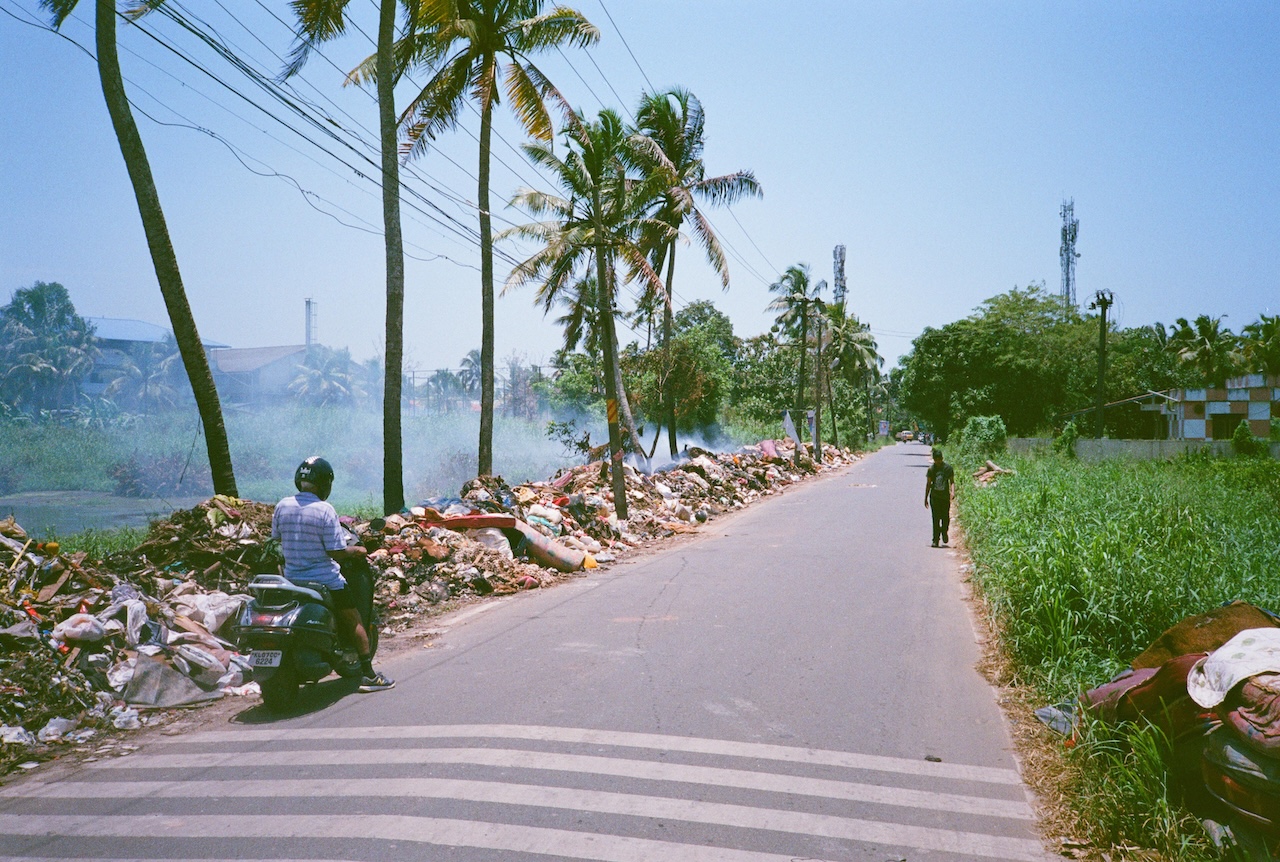
How is the urban climate experienced and produced through the relationships that emerge between monsoonal weather and the wastes of urban life? This is the question that permeated my research into waste, waste activism, and the infrastructures of urban and monsoonal life in the tropical city of Kochi throughout 2018-2019. Throughout this time, Kochi was enveloped by two crises. In August 2018, one third of the state of Kerala was plunged under water from extremely heavy monsoonal rains and the mismanagement of water infrastructures throughout the state. It was also under increasing pressure to address the growing problem of waste accumulating in the city and the ongoing mismanagement and failing landfill at edge of the city (Barlow 2023). Floods and wastes are entangled processes, both excesses in the sense that they traverse a social boundary in space (Tsing 2024). And yet they are often imagined and approached as two separate issues. In monsoonal cities like Kochi that are situated on shifting shores and in wetlands, never quite dry and almost always wet, waste infrastructures and water infrastructures that aim to contain an unruly monsoon, are both part of an urbanism “oriented towards generating a stable, solid, dry future” (Anand 2023, 685). In this essay, I suggest Kochi’s future amid increasingly unpredictable and extreme monsoonal weather in part lies in reimagining this kind of urbanity by thinking about the monsoon as a persistent and enveloping atmosphere in which urban life, and urban wastes, must be orchestrated and negotiated.
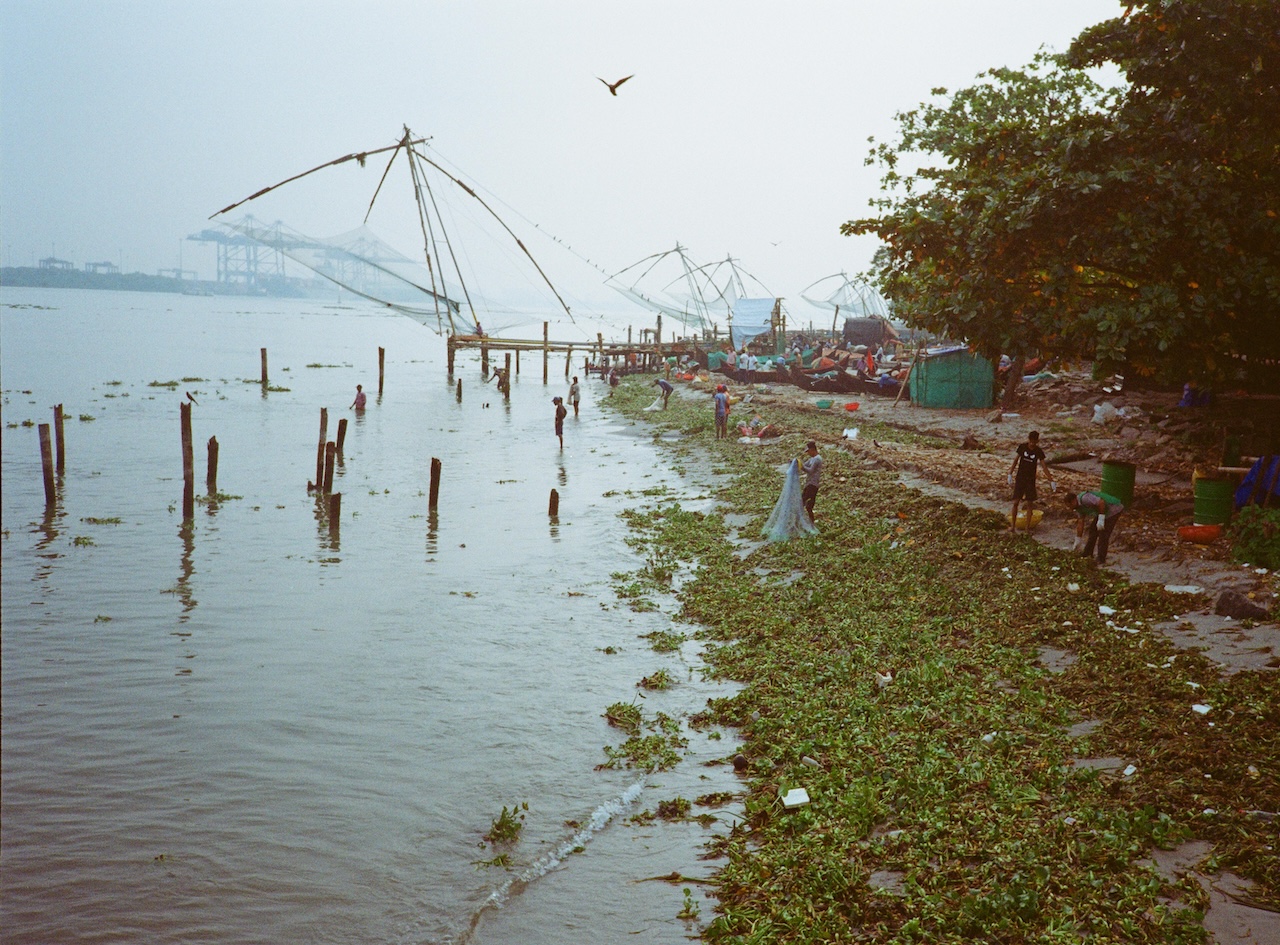
Due to its geographic location between the Western Ghats and the Arabian Sea on the southwest coast of India, Kochi is one of the wettest cities in the country with an average of approximately 3000mm of annual rainfall. Most of this rain falls between June and October, during the monsoon or wet season. This weather, along with the backwater ecology Kochi rests within, make it a place known for its tropical exuberance, a place typified by its wetness (Barlow 2022). Once a fishing village with a harbor that provided shelter from the monsoonal winds and waters of the Arabian Sea, Kochi is now the commercial and industrial capital of Kerala and a geopolitically significant port city that houses the Southern Indian Naval Command and India’s first Transshipment Container Terminal. Central to this urban transformation—from a fluid wetscape to a more sedentary landscape of infrastructures—was the dredging of the harbor for the expansion of the port that began in the early 20th century (Mathew 2015). This port promised not only economic prosperity for elites within the city, but also security in the face of increasing uncertainty regarding coastal erosion on the perilous and low-lying peninsulas at the western edge of the city (Shankar 2025).

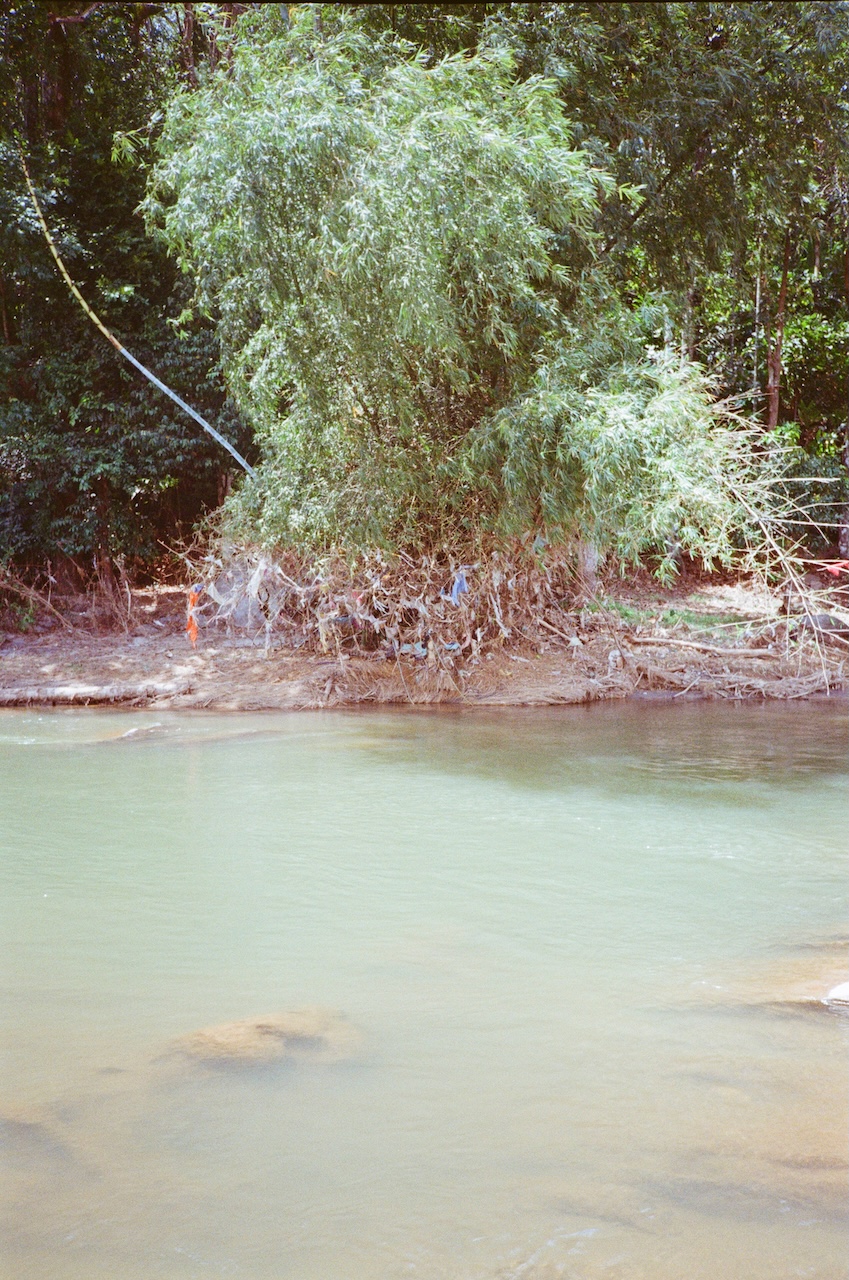
One of the reasons why the Cochin Port became so valuable was its proximity and access to the fertile hills of the Western Ghats. Famous for its native pepper and cardamom, the Western Ghats became a central feature of the Indian Ocean spice trade that was coopted by successive colonial empires since the 16th century. In September 2018, a friend and I travelled from Kochi to Munnar, a hill station in the Western Ghats close to the headwaters of the Periyar River, Kerala’s longest river and the river whose estuary forms the harbor in which Kochi rests. We were nervous about the trip due to the uncertainty following the floods and deadly landslides that plague the hills throughout periods of heavy monsoonal rains. We decided to go ahead with the trip, primarily because the hills at this time were home to the famous blossom of the Neelakurinji, a purple flower native to the tropics of South Asia that only blooms every 12 years. We also wanted to see the Nilgiri Tahr, a horned mountain goat endemic to the Western Ghats. Fortunately for us, we not only caught a glimpse of both, but we were surrounded by them when we visited Eravikulam National Park just outside of Munnar. In this park, the escarpments rose high into the sky and had water flowing off them as if coming from the sky itself, and beyond the fields of purple flowers, were rows of tea carved out from the forests that would have once covered this astonishing place before it was turned into a plantation by the British in the 19th century. After visiting Eravikulam, we drove around the Munnar hills to a reservoir in the upper reaches of the watershed of the Periyar River, Kerala’s longest river feeds the famous Keralan backwaters near Kochi before flowing out to the Arabian Sea. While we playfully explored the upper reaches of the river, I noticed plastic dangling from trees that overhung the flowing waters, indicating the high-water mark from the floods just weeks before. Waste usually pools and accumulates downstream, in this instance in the backwaters between the river and the sea, so I was shocked to see that even here in the hills water and waste were flowing together, inseparable except for the traces left behind from the flood.
A month prior to our trip to Munnar and the Western Ghats, in the immediate aftermath of floods my friend Joseph who ran a homestay in Fort Kochi messaged early one morning asking if I wanted to join him on a trip to visit friends of his that had lost almost everything to the flood. There was a cleanup underway and they could use some more hands. Here is a fieldnote I wrote afterwards:
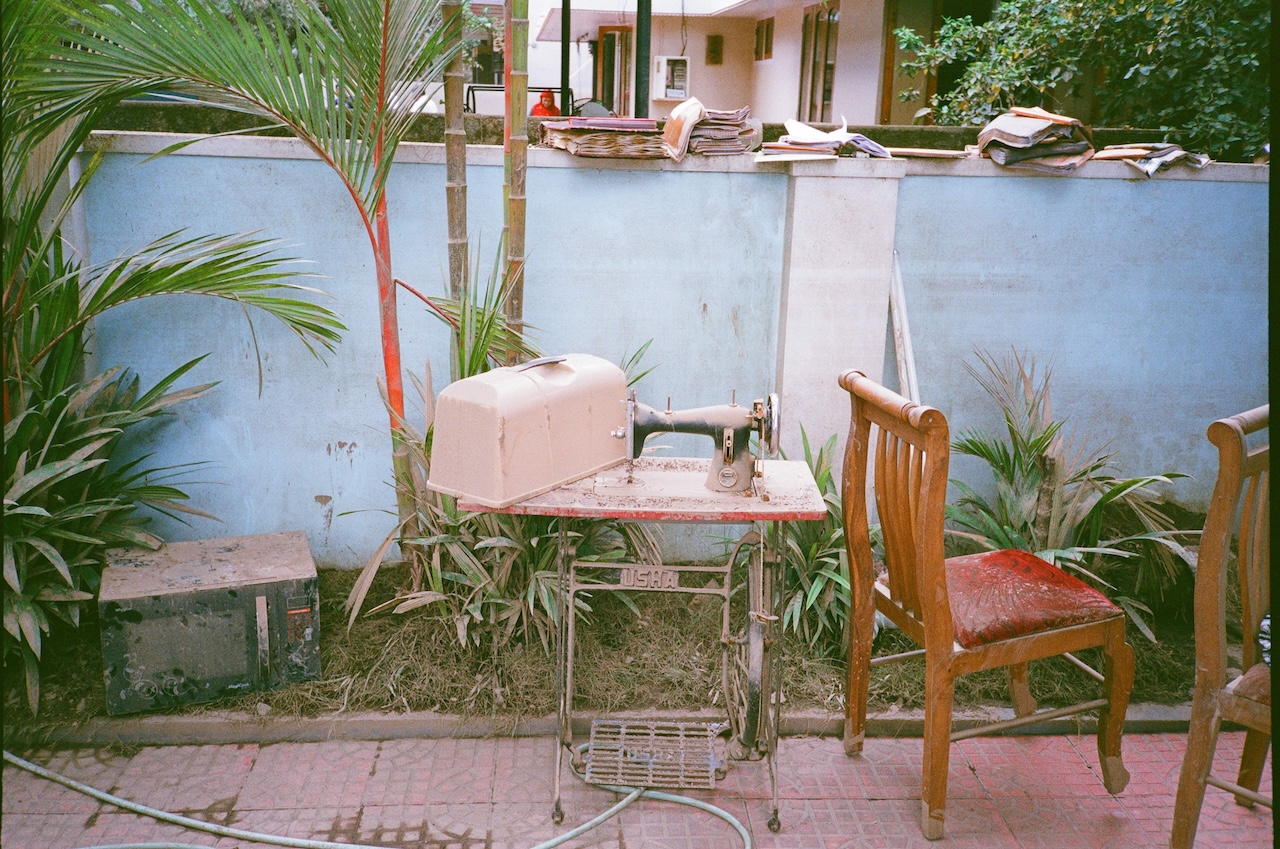
When we reached the house where Joseph’s friend lives, we saw the entire belongings of the house in the front yard. I struggled to find the water mark when we first got out of the car but once under the verandah could see it was about 2.5 meters up. The entire ground floor of this house would have been submerged. It struck me as unlikely that this would have happened at all if it was rains alone that caused the flooding. It seems to me that the destruction in this area was almost entirely because of the dams opening their shutters.
Joseph’s friends lived in Aluva, an area of Kochi close to the banks of the Periyar River and nearby to the Cochin International Airport. The airport had shut down its operations when the flooding began, because runway was under several feet of water. The Periyar actually used to flow directly where the airport is today, but in another intervention into the wetland ecology, it was diverted during the airport’s construction. While we were helping to clean their house and sort the belongings into what could be kept and what needed to be thrown away, their neighbors had begun to pump the water out of their well. Though the number of households in Kochi that rely on well water for household use has decreased in recent years, putting more pressure on centralized water supply, many people in the city still relied on private wells for drinking water. Many of these wells were contaminated with fecal coliform and other wastes during the flood. The advice circulating through WhatsApp groups was to use a petrol-powered pump to drain the wells and wait for cleaner water to filter back in. Here the flood brought the everyday entanglements of water and waste into relief in ways that could not be ignored, highlighting how these entanglements operate beyond the infrastructural level through embodied ways that threatened public health.
Flooding is not new in Kerala or in Kochi, but its meaning and effects have changed through the entanglement of water with the city’s changing wastescapes, dam construction in the Western Ghats, intense rainfall exacerbated by climate change, and the ever-present threat of an encroaching sea. Living with and in water was once a way of life here, and yet it is now only imagined as a source of anxiety and shame, simultaneously a threat to urban life and a vital sink for urban wastes. Concrete infrastructures create the lines, the boundaries, upon which urban life continues to be imagined, where dry land is valued and water bodies become the sinks of material excess. Within these conditions, there is a need to understand “why floods with tragic consequences are more than physically devastating… they erase lines and offer a glimpse of chaos” (da Cunha 2019, 74). In response to the dual threats of waste and floods, there is an opportunity for Kochi to reimagine the monsoon as not something that simply arrives in varying degrees that can be temporarily contained through infrastructure. What promise might thinking and acting with the monsoon as an atmosphere in which urban life is enveloped hold for a kind of southern urbanism in South Asia (Bhan 2019)? What kinds of “atmospheric knowledge”, beyond extreme weather as something that comes and goes, need to be acknowledged and fostered in this endeavor (Abels and Eisenlohr 2025)?
References
Abels, Birgit., and Patrick Eisenlohr. 2025. Atmospheric Knowledge: Environmentality, Latency, and Sonic Multimodality. 1st ed. University of California Press.
Anand, Nikhil. 2023. “Anthroposea: Planning Future Ecologies in Mumbai’s Wetscapes.” Environment and Planning D: Society and Space 41 (4): 683–706.
Barlow, Matt. 2022. “Floating Ground: Wetness, Infrastructure, and Envelopment in Kochi, India.” Shima: The International Journal of Research into Island Cultures 16 (1).
Barlow, Matt. 2023. “Burning Wet Waste: Environmental Particularity, Material Specificity, and the Universality of Infrastructure.” The Asia Pacific Journal of Anthropology 24 (2): 134–52.
Bhan, Gautam. 2019. “Notes on a Southern Urban Practice.” Environment and Urbanization 31 (2): 639–54.
Cunha, Dilip da. 2019. The Invention of Rivers: Alexander’s Eye and Ganga’s Descent. University of Pennsylvania Press.
Mathew, Justin. 2015. “Port Building and Urban Modernity: Cochin 1920-1945.” In Kerala Modernity: Ideas, Spaces, Practices in Transition. Orient Blackswan.
Shankar, Devika. 2025. An Encroaching Sea: Nature, Sovereignty and Development at the Edge of British India 1860-1950. Cambridge University Press.
Tsing, Anna Lowenhaupt. 2024. “The Invention of Floods.” Orion Magazine.